Frequent Illness and Slow Healing
Another infection has disrupted your plans, or a small wound is taking longer than you expected to improve. Frequent illness and slow healing can leave you wondering whether there is a bigger health issue behind the pattern. At Saltwater Wellness in Keizer, OR, you can discuss ongoing concerns, relevant health history, and whether medical evaluation or referral should come before a wellness treatment.
- Frequent infections or recurring illness
- Cuts and wounds that heal slowly
- Longer recovery from common illnesses
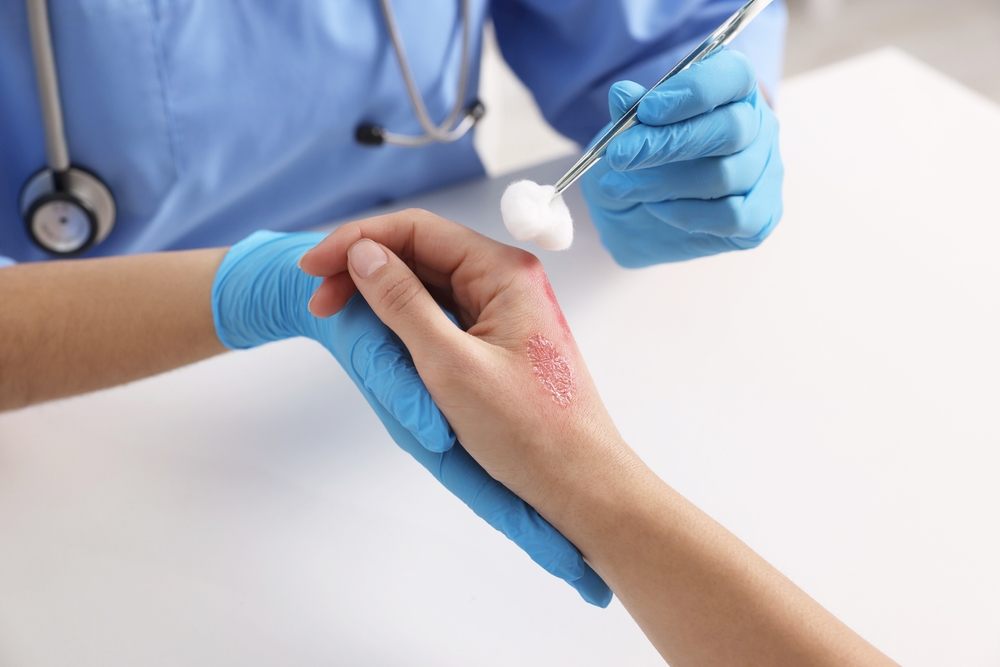

Getting sick repeatedly is not the same as healing slowly
Repeated infections, lingering symptoms after one illness, and delayed wound closure describe different problems. The location, timing, and severity matter. An assessment also helps distinguish a confirmed infection from symptoms caused by allergies or another condition.
According to MedlinePlus, wounds heal in stages, and larger or deeper injuries generally take longer to heal than smaller ones.
Frequent illness and slow healing do not automatically establish an immune deficiency or a need for peptides. Understanding exactly what has happened is more useful than assuming your immune system needs a boost.
Frequent Illness and Slow Healing Have Different Causes
Your provider will review your symptoms, infection history, wound healing concerns, medical history, and overall health to identify possible contributing factors and determine whether further evaluation or treatment is needed.
Be specific about what returns, persists, or changes
Illness and Recovery Patterns
- Repeated infections confirmed by a healthcare professional
- Recurring sinus, chest, skin, or urinary infections
- Symptoms returning soon after treatment
- Infections requiring repeated courses of prescribed treatment
- Illnesses that are unusually severe for you
- Repeatedly missing work or activities because of illness
- Persistent fatigue after an infection has improved
Wound and Skin Changes
- A cut or sore that is not becoming smaller or improving
- A wound that repeatedly reopens
- New drainage or an unpleasant odor
- Increasing pain, warmth, swelling, or spreading redness
- Repeated skin infections near the same area
- Foot sores, especially if you have diabetes or reduced sensation
- Numbness or changes in skin color near an affected area
Increasing redness, drainage, or worsening pain can require prompt medical care. Do not wait for a wellness appointment to assess a potentially infected wound.
Frequent illness and slow healing may have separate causes
Repeated Exposure or Local Problems
Close contact with sick people can increase exposure to infections. Repeated problems in the same location may also warrant assessment for a local or structural contributor.
Elevated Blood Glucose
Diabetes can be associated with infections and sores that do not heal. Increased thirst, frequent urination, or unexplained weight changes are useful details to report.
Reduced Circulation or Sensation
Poor blood flow can interfere with wound repair. Reduced sensation can also allow an injury to go unnoticed, particularly on the feet.
Nutritional Gaps
Inadequate food intake or certain nutrient deficiencies may affect normal immune function and tissue repair. More supplements are not automatically helpful when nutritional needs are already met.
Medicines or Conditions Affecting Immunity
Some treatments suppress immune activity, and certain health conditions increase infection risk. A clinician should review your medicines and history before recommending changes.
Wound-Specific Factors
Pressure, repeated friction, smoking, infection, or an underlying medical condition can interfere with healing. A wound may need direct treatment rather than a general wellness approach.
Bring a clear account of what you have experienced
Infections With a Recognizable Pattern
Record whether illnesses involve the same body area or occur after particular exposures.
A List of Previous Treatments
Note prescribed medicines, test results, and whether the problem fully resolved or returned.
A Wound's Progress Over Time
Explain when the injury occurred, how it has changed, and what care you have already received.
Changes in Thirst or Urination
Mention these symptoms alongside any infection or healing concern so glucose-related issues can be considered.
Problems Affecting Your Feet
Report sores, numbness, color changes, or reduced sensation, especially with diabetes.
Appetite or Weight Changes
Share reduced intake, a restrictive diet, digestive problems, or unintended weight loss.
Exhaustion Between Illnesses
Mention low energy and persistent fatigue if you are struggling even after an acute illness improves.
Questions About Immune-Support Products
Bring the names of any supplements, injections, or peptides you are considering so their relevance and risks can be discussed.

Understanding Frequent Illness and Slow Healing in Keizer, OR
1. Identifying Recurring Infections and Possible Triggers
Frequent infections may involve the same body area, occur after repeated exposure, or return shortly after treatment. Paying attention to how often you become ill, how long symptoms last, and whether infections fully resolve can help identify patterns worth discussing with your healthcare provider.
2. Recognizing When Slow Healing Needs Medical Attention
Minor cuts and wounds generally improve over time. However, wounds that remain open, repeatedly worsen, or develop increasing redness, swelling, warmth, or drainage may require medical evaluation. Fever, rapidly spreading redness, or severe pain can indicate a more urgent problem that needs prompt attention.
3. Understanding Factors That Affect Immune Function and Healing
Blood glucose levels, circulation, nutrition, medications, and underlying health conditions can influence how the body responds to infections and repairs damaged tissue. Diabetes, poor circulation, and certain immune-related conditions may contribute to delayed healing. Identifying these factors can help guide appropriate testing, treatment, or referral.
4. Monitoring Recovery and Changes in Daily Health
Consider whether infections are becoming more frequent, wounds are taking longer to heal, or recovery periods are interfering with everyday activities. Changes in energy, appetite, weight, or overall functioning may provide additional context. Keeping track of these concerns can help your healthcare provider determine whether further assessment is appropriate.
A Note on Immune Health and Wound Healing
According to the Centers for Disease Control and Prevention, diabetes can contribute to nerve damage and poor circulation, increasing the risk of foot wounds and infections. However, frequent illness and slow healing do not always indicate diabetes or an immune disorder. Persistent infections, wounds that fail to improve, or worsening symptoms deserve appropriate medical evaluation rather than relying solely on wellness treatments.
Reviewing Frequent Illness and Slow Healing in Keizer, OR

Checking Whether Prompt Medical Care Is Needed
An active infection, worsening wound, or new foot sore may require urgent assessment through primary care, urgent care, or a wound specialist. Routine wellness consultations should not delay that care.
Considering the Findings Before Ordering Tests
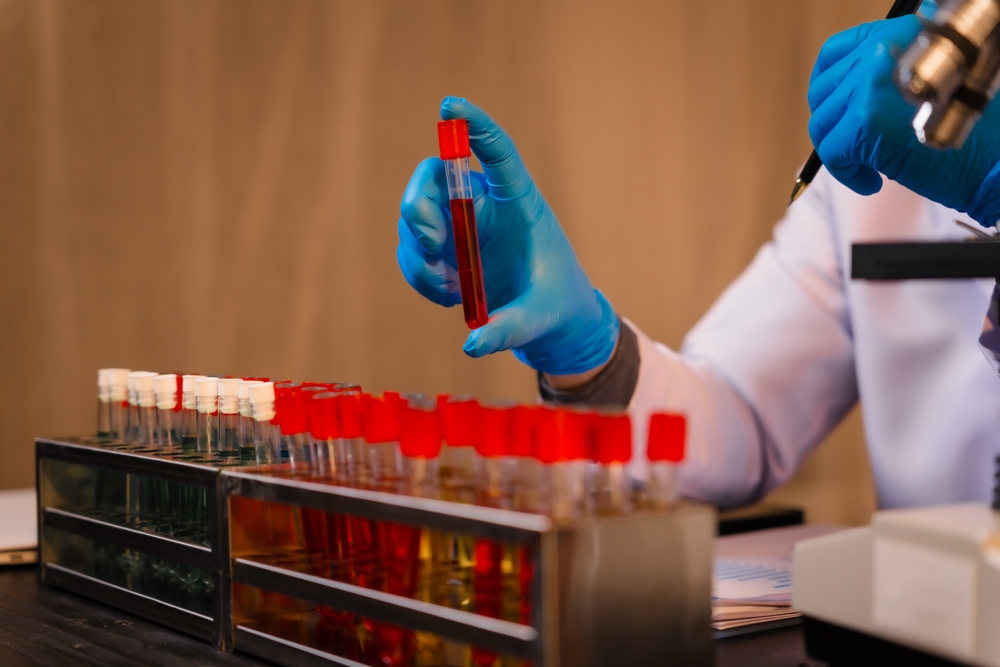
A medical assessment may include examination, review of infection records, glucose testing, a blood count, or selected nutritional tests. Unusual or severe recurrent infections may warrant specialist evaluation.
According to the National Institute of Diabetes and Digestive and Kidney Diseases, frequent infections and sores that do not heal can be symptoms of diabetes.
Frequent illness and slow healing alone do not establish diabetes or identify an immune disorder. Testing should answer specific clinical questions.

Exploring Peptide Therapy for Immune and Tissue Health
If you have questions about our peptide therapy service, discuss the specific compound, intended use, evidence, and safety uncertainties. Peptides marketed for immune support or tissue repair should not be assumed to prevent infections or heal chronic wounds. Safety information for several commonly promoted compounds remains limited.

Considering IV Hydration and Vitamin Injections
Our IV hydration and vitamin injections service can be discussed when medically appropriate. Correcting a confirmed deficiency differs from promising an immune boost. Vitamin infusions do not replace necessary antibiotics, proper wound care, or treatment of underlying health conditions.

Connecting the Plan With Appropriate Follow-Up
Further care depends on the cause. That may mean primary care management, nutritional support, glucose management, or referral to wound care, immunology, infectious disease, or another specialty. Hormone treatment is not a general treatment for recurrent infections or delayed wound closure.
Frequently Asked Questions
Do frequent illness and slow healing mean my immune system is weak?
Not necessarily. Exposure, local problems, diabetes, nutrition, medicines, and other factors may contribute. The type and severity of infections help determine whether immune testing is appropriate.
How long should a minor wound take to heal?
Healing varies with size, depth, location, and health factors. A wound that is worsening or not progressing needs assessment rather than comparison with a fixed online timeline.
Can peptides treat recurring infections or a nonhealing wound?
They should not be presented as established general treatments for these concerns. Start with medical evaluation and proven care for the identified problem, then discuss evidence for any proposed additional treatment.
Will vitamin injections stop me from getting sick?
They cannot guarantee protection from infections. Replacement may help when a deficiency is present, but extra vitamins are not a substitute for appropriate prevention or medical treatment.
What if I have diabetes and discover a foot sore?
Contact your diabetes or primary care team promptly. Seek urgent care for infection signs or tissue color changes rather than waiting for a routine consultation.
Which symptoms need emergency attention?
An infection with new confusion, severe breathing difficulty, clammy skin, or extreme pain can signal a medical emergency, including sepsis. Seek emergency care. Spreading wound redness, pus, worsening pain, or fever also warrants prompt medical assessment.
Start with clarity about what needs attention now
For ongoing questions about frequent illness and slow healing, contact Saltwater Wellness in Keizer, OR, to discuss an appropriate starting point. If you currently have infection symptoms or a deteriorating wound, seek timely medical care rather than waiting for a discovery call.
Visit Saltwater Wellness
5125 Wittenberg Lane NE
Keizer, OR 97303
Call or Book Online
(503) 689-1228