
Poor Sleep and Waking Up Unrested
You set aside time for bed, but morning still arrives before you feel ready for it. Perhaps you struggle to drift off, wake repeatedly, or feel exhausted despite spending the night in bed. Poor sleep can make even a familiar day feel demanding. At Saltwater Wellness in Keizer, OR, we help you explore possible contributors, including menopause symptoms, daily habits, and concerns that may need a sleep specialist.
- Personalized evaluation for your symptoms
- Support for menopause, hormone, and wellness concerns
- Guidance on when a sleep specialist may be the right next step
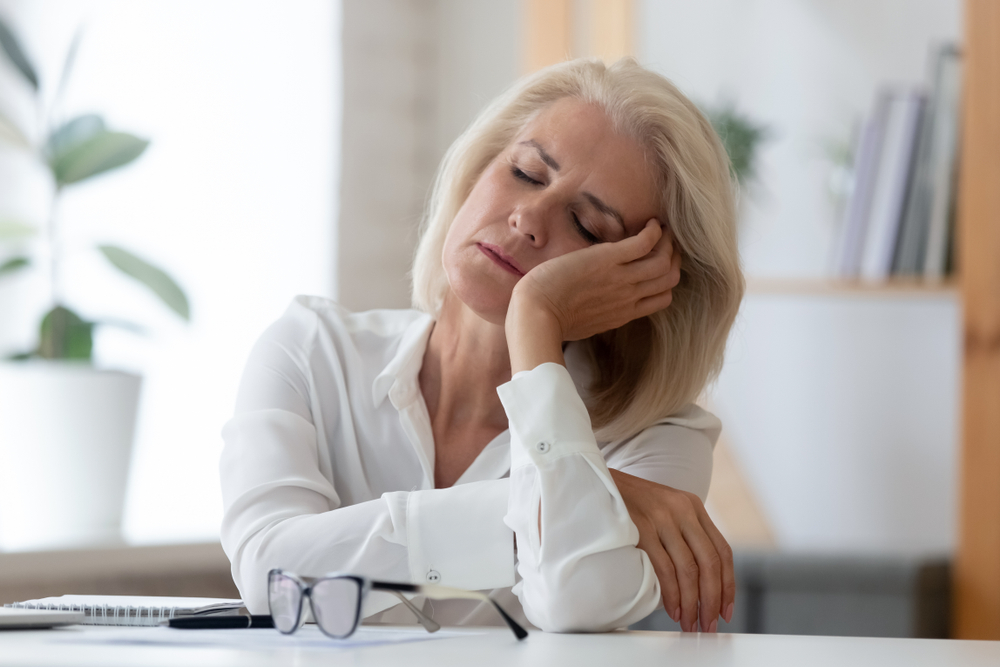

A full night does not always leave you refreshed
Sleep duration tells only part of the story. Difficulty settling down, repeated interruptions, and early waking can affect how rested you feel. The distinction between daytime sleepiness and a general lack of energy also helps guide an assessment.
According to the National Heart, Lung, and Blood Institute, insomnia can involve trouble falling asleep, waking during the night, and sleep that leaves you unrested or struggling to focus.
Poor sleep does not automatically mean you have insomnia or a hormone deficiency. Understanding your pattern is the starting point for deciding what kind of help makes sense.
Poor sleep can have many causes.
Your provider will look at your symptoms, daily habits, and overall health to help determine the most appropriate next steps.
What happens overnight can show up throughout your day
During the Night
- Lying awake even when you feel tired
- Waking several times and struggling to settle again
- Opening your eyes much earlier than intended
- Being disturbed by overheating or night sweats
After You Get Up
- Feeling unrefreshed when the alarm rings
- Fighting the urge to doze during quiet activities
- Finding concentration harder than usual
- Feeling more irritable or emotionally stretched
Loud snoring, gasping, or breathing pauses reported by a partner deserve particular attention.
These can point toward sleep apnea and may need a separate evaluation.
Poor sleep can reflect several overlapping influences
Menopause Symptoms at Bedtime
Hot flashes and night sweats can accompany disrupted nights during perimenopause and menopause. Changes in your menstrual cycle and other symptoms help establish the context.
A Mind That Stays Busy
Work worries, caregiving responsibilities, and anxiety about getting enough rest can make winding down difficult.
Shifting Sleep Schedules
Rotating shifts, late nights, and changing wake-up times can interfere with a consistent sleep routine.
Caffeine, Alcohol, and Medication Effects
Stimulants and certain medicines may interfere with sleep. Alcohol can make you feel drowsy initially while contributing to lighter, interrupted rest later.
Breathing Problems During Sleep
Sleep apnea repeatedly interrupts breathing overnight. Some people notice daytime tiredness before realizing that their nighttime breathing is affected.
Discomfort or Other Health Changes
Pain, nighttime bathroom trips, and other medical concerns can interrupt rest. Your provider may recommend further evaluation based on the symptoms you describe.
Describe the nights you are having, not just how tired you feel
Trouble Switching Off
Your body feels ready for bed, but your thoughts keep returning to tomorrow’s responsibilities.
Repeated Overnight Awakenings
You fall asleep initially, then spend portions of the night trying to get back to sleep.
Early-Morning Wakefulness
You wake before your intended start time and cannot settle again.
Nighttime Heat and Sweating
Overheating leads you to change bedding, adjust the room, or get out of bed.
Unrefreshing Mornings
You have allowed time for rest but still begin the day feeling depleted.
Unwanted Daytime Dozing
You struggle to stay alert during meetings, reading, or other quiet activities.
Sleep Changes Alongside Hormonal Symptoms
Rest has changed around the same time as menstrual changes, hot flashes, or reduced sexual desire.
Questions About Wellness Treatments
You want to understand whether a hormone or peptide consultation is relevant, and what established sleep care may offer instead.

What Your Sleep Difficulties May Be Telling You
1. Recognizing Different Patterns of Poor Sleep
Sleep difficulties do not look the same for everyone. Some people struggle to fall asleep, while others wake repeatedly during the night or much earlier than intended. You may also spend enough hours in bed but still wake feeling unrested. Identifying which pattern occurs most often can help you better understand your sleep concerns.
2. Understanding How Poor Sleep Affects Your Day
Disrupted or insufficient sleep can affect concentration, memory, mood, and energy levels. You might feel mentally sluggish, become more irritable, or struggle to stay alert during routine activities. Noticing whether you feel sleepy enough to doze off or simply lack energy can provide useful information about how your sleep is affecting daily life.
3. Identifying Everyday Habits That May Disrupt Rest
Irregular bedtimes, late caffeine consumption, alcohol, and stimulating activities before bed may interfere with sleep quality. Stress and an uncomfortable sleeping environment can also make it harder to settle down or stay asleep. Paying attention to your evening routine and sleep environment may help reveal factors contributing to restless nights.
4. Knowing When Sleep Problems Need Medical Attention
Occasional restless nights are common, but persistent sleep difficulties deserve attention when they interfere with daily functioning. Loud snoring, gasping during sleep, breathing pauses, or excessive daytime sleepiness may indicate a condition requiring further evaluation. Feeling dangerously sleepy while driving or performing other safety-sensitive activities also requires prompt attention.
A Note on Sleep Health
According to the National Heart, Lung, and Blood Institute, insomnia can involve difficulty falling asleep, staying asleep, or obtaining restful sleep. The Office on Women’s Health also recognizes sleep difficulties as a concern during menopause. Because sleep problems can arise from multiple factors, identifying patterns and recognizing warning signs can help guide appropriate medical evaluation.
A Thoughtful Approach to Poor Sleep in Keizer, OR

Considering Testosterone Deficiency in Men
Men with other signs of testosterone deficiency can ask about evaluation through our testosterone replacement therapy service. Poor sleep alone does not justify TRT, and suspected sleep apnea needs attention before treatment decisions.

Considering Menopause and Hormone Concerns
According to the Office on Women’s Health, menopause can involve sleep difficulties, including those associated with hot flashes and night sweats.
When these symptoms are part of your experience, our hormone replacement therapy service provides an opportunity to discuss whether menopause treatment is appropriate. Benefits, personal risks, and nonhormonal alternatives belong in that conversation.

Mapping Your Sleep and Health History
We review when the problem began, your usual schedule, and what happens before bed and overnight. A sleep diary and observations from someone who shares your room can add useful detail.

Connecting You With Sleep-Specific Support
Depending on your symptoms, next steps may involve sleep habits, medical assessment, or referral for a sleep study. Cognitive behavioral therapy for insomnia, called CBT-I, is generally the first treatment recommended for long-term insomnia. Hormone and wellness services do not replace treatment for a diagnosed sleep disorder.

Putting Peptide Questions Into Perspective
If you are considering our peptide therapy service, ask about the specific substance, its intended use, and the quality of supporting research. Recovery or sleep-related marketing does not establish that a peptide safely treats insomnia. Evidence and safety information for several commonly promoted peptides remain limited.
Frequently Asked Questions
Why am I tired after spending enough time in bed?
Time in bed may include periods of wakefulness, and disrupted sleep can leave you unrested. Your provider can help distinguish sleepiness from fatigue and consider the appropriate evaluation.
Can HRT help with poor sleep during menopause?
It may help selected patients when disruptive menopause symptoms contribute to nighttime difficulties. It is not appropriate for everyone, and persistent sleep problems may require separate care.
Does snoring mean I need a sleep study?
Snoring alone does not confirm sleep apnea. Gasping, witnessed breathing pauses, and daytime sleepiness strengthen the reason to discuss testing with a clinician.
Are peptides a standard insomnia treatment?
No. Peptide protocols are not standard first-line insomnia care. Ask about evidence, risks, and established alternatives before choosing a treatment.
What information should I record before my appointment?
For one to two weeks, note bedtimes, estimated sleep time, awakenings, naps, caffeine or alcohol use, and daytime symptoms. Include medications and supplements you take.
When does daytime sleepiness become a safety concern?
If you struggle to stay awake while driving, stop driving and arrange another way to travel. Recurrent episodes of falling asleep unintentionally warrant prompt medical assessment.
Start by understanding why your rest has changed
You do not have to choose a treatment before you ask for help. If poor sleep is interfering with your comfort, focus, or daily routine, contact Saltwater Wellness in Keizer, OR, to discuss your symptoms and an appropriate path forward.
Visit Saltwater Wellness
5125 Wittenberg Lane NE
Keizer, OR 97303
Call or Book Online
(503) 689-1228